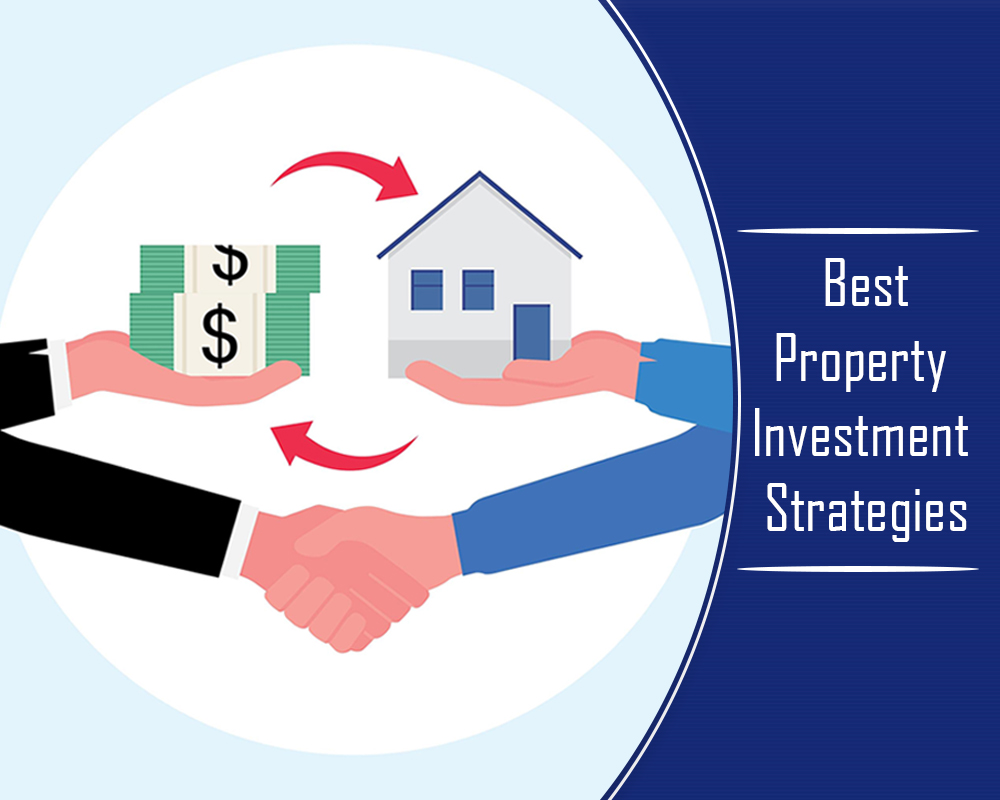
Invertir en Bienes Raíces: Decidiendo entre Residencia, Renta o Reventa.

Invertir en Bienes Raíces: Decidiendo entre Residencia, Renta o Reventa.

Invertir en bienes raíces es una de las decisiones más importantes que puedes tomar para asegurar el futuro financiero de tu familia. Ya sea que estés considerando comprar una propiedad para vivir, alquilar o revender, cada opción tiene sus propias ventajas y desafíos. En este artículo, exploramos estas tres estrategias de inversión, proporcionando ejemplos prácticos y consejos claros para ayudarte a tomar la mejor decisión.

Residencia: Construyendo un Hogar y un Patrimonio

Comprar una propiedad para vivir no solo te proporciona un lugar seguro y estable para tu familia, sino que también es una inversión a largo plazo. Al ser propietario de tu hogar, puedes beneficiarte de la apreciación del valor de la propiedad con el tiempo. Además, existen ventajas fiscales, como la deducción de intereses hipotecarios e impuestos sobre la propiedad.

Ejemplo Práctico: María y Juan, una pareja de emprendedores latinos de Miami, decidieron comprar una casa en una zona en crecimiento en el sur de la Florida. Con el tiempo, la propiedad no solo se ha revalorizado, sino que también les ha proporcionado un hogar estable para criar a sus hijos.

Renta: Generando Ingresos Pasivos

Invertir en propiedades para alquilar es una excelente manera de generar ingresos pasivos. Al alquilar una propiedad, puedes obtener un flujo constante de ingresos mensuales, lo que puede ayudarte a cubrir los costos de la hipoteca y otros gastos. Además, las propiedades de alquiler pueden ofrecer beneficios fiscales adicionales.

Reventa: Aprovechando las Oportunidades del Mercado

Comprar propiedades para revender, también conocido como “flipping”, implica adquirir propiedades a un precio bajo, renovarlas y venderlas a un precio más alto. Esta estrategia puede ser muy lucrativa si se realiza correctamente, pero también conlleva riesgos y requiere un buen conocimiento del mercado inmobiliario


Ejemplo Práctico: En SB Group no solo asesoramos y representamos a inversionistas sino que también hacemos nuestras propias inversiones como el condominio frente al mar ubicado en Daytona Beach que adquirimos en 2018 por 130 mil dólares, y ahora despues de reparos hemos logrado aumentar su valor en un 45% y además actualmente se renta dejando una ganancia mensual de $600 después de gastos operativos

Estrategias y Consejos

  1. Investigación del Mercado: Antes de invertir, investiga el mercado local para entender las tendencias y oportunidades. Conocer la demanda y oferta en la zona te ayudará a tomar decisiones informadas.
  2. Planificación Financiera: Define un presupuesto claro y asegúrate de tener un colchón financiero para imprevistos. La planificación es clave para el éxito en cualquier tipo de inversión.
  3. Diversificación: Considera diversificar tus inversiones en diferentes tipos de propiedades y ubicaciones para minimizar riesgos y maximizar oportunidades.
  4. Asesoramiento Profesional: No dudes en buscar el consejo de expertos en bienes raíces y finanzas. Un buen asesor puede ayudarte a evitar errores costosos y a maximizar tus ganancias.

Conclusión

Invertir en bienes raíces puede ser una herramienta poderosa para construir riqueza generacional y asegurar el futuro financiero de tu familia. Ya sea que elijas comprar una residencia, alquilar propiedades o revender, cada estrategia tiene el potencial de ofrecer grandes beneficios. Lo más importante es tomar decisiones informadas y alineadas con tus objetivos y valores familiares.

Recuerda, cada paso que das hoy puede ser un paso hacia un futuro más próspero para ti y tus seres queridos. ¡Atrévete a soñar en grande y a construir el legado que deseas!


Maximize Your Real Estate Investments with Smarter Systems

Maximize Your Real Estate Investments with Smarter Systems

Maximize Your Real Estate Investments with Smarter Systems

In the competitive world of real estate, leveraging intelligent systems is no longer a luxury but a necessity. Successful investors use strategic tools and methodologies to make data-driven decisions, streamline operations, and maximize financial outcomes. This blog explores actionable strategies to enhance your investments using smarter systems.

Real estate investments can be complex, with fluctuating markets, diverse property types, and numerous financial considerations. According to a report by Statista, 62% of top-performing investors attribute their success to adopting technological systems that simplify decision-making and improve efficiency. By integrating smarter systems, you can gain an edge in identifying opportunities and mitigating risks.

01

Leverage Data Analytics

Use platforms like Zillow, CoreLogic, or Redfin to analyze market trends and property values. Data-driven insights allow you to pinpoint high-potential investments.
Example: Investors who utilize predictive analytics tools see up to a 25% higher ROI compared to those who rely on intuition alone (Forbes).

02

Adopt Property Management Software

Tools like Buildium or AppFolio streamline tenant management, rent collection, and maintenance tracking. Automation reduces manual errors and saves time.
Case Study: A landlord managing 10 properties reduced operational costs by 15% annually after implementing property management software.

03

Establish Financial Planning Systems

Budgeting apps and investment calculators, such as those from BiggerPockets, help track expenses, calculate ROI, and forecast cash flow.
Tip: Set clear financial goals, like achieving a 10% cash-on-cash return, and use these tools to monitor your progress.

04

Integrate Marketing Automation

Platforms like HubSpot or Mailchimp enable targeted campaigns to attract tenants or buyers. Automating your marketing increases outreach efficiency.
Stat: Real estate agents using automated marketing report a 30% increase in lead generation (NAR).

05

Enhance Risk Management with Smart Contracts

Blockchain-based smart contracts ensure secure and transparent transactions. These systems reduce the risk of disputes and speed up closing times.
Example: Smart contracts can cut property closing times by 50%, according to Deloitte.

Practical Example: Sarah’s Journey to Smarter Investing

Sarah, a real estate investor managing multiple rental properties, struggled with manual processes and inconsistent returns. By implementing property management software and analytics tools, she identified underperforming properties and adjusted her portfolio. Within a year, her portfolio’s ROI increased by 18%, and her administrative workload decreased significantly.

Statistics Supporting Smarter Investments

  • Investors utilizing data analytics experience 20-30% higher efficiency in property selection (McKinsey & Company).
  • Automated property management systems reduce vacancy rates by an average of 15% (Statista).

Conclusion

Integrating smarter systems into your real estate investment strategy is the key to achieving sustainable growth and maximizing returns. From data analytics to risk management tools, these systems provide clarity, efficiency, and a competitive edge. Start leveraging these strategies today to transform your approach and elevate your investment outcomes.

Real Estate Investment Change Your Life? 12 Keys.

Real Estate Investment Change Your Life? 12 Keys.

Real estate has long been seen as one of the most reliable and profitable forms of investment. However, not every opportunity is created equal. Some investments offer steady growth, while others promise high returns but come with significant risks. The ultimate goal? Finding that one real estate investment that truly changes your life. But how do you identify it?

In this blog, we’ll explore what makes an investment extraordinary and how to position yourself to take full advantage of the opportunities that come your way.

  1. Strong Location Fundamentals.
    A prime location is one of the most critical factors for any real estate investment. Properties in areas with high demand, good infrastructure, and future development plans tend to appreciate faster. Locations near schools, business hubs, or transit systems can significantly increase your property’s value over time.
  2. High Return on Investment (ROI)
    An excellent ROI doesn’t always mean fast cash. It could also mean steady rental income, tax advantages, or equity growth. The best investments strike a balance between short-term gains and long-term financial security.
  3. Market Trends Favor the Property Type
    Understanding current and future market trends is vital. For instance, in some areas, demand for multi-family homes is booming, while in others, luxury apartments might dominate. Following these trends can guide you to the right investment.
  4. Sustainability and Resilience
    Life-changing investments often stand the test of time. Properties that incorporate sustainable materials, energy-efficient features, or are located in climate-resilient areas will likely maintain value even in challenging market conditions.

How to Find Your Perfect Investment Opportunity

The process of finding an exceptional real estate investment is as much about preparation as it is about opportunity. Here’s a step-by-step guide to get started:

1. Do Thorough Market Research

Understand the neighborhoods, demand trends, and economic factors in the area you’re targeting. Leverage online tools like Zillow or Realtor.com for data and speak with local real estate agents to get insider insights.

2. Set Clear Investment Goals

Are you looking for passive rental income, a property to flip, or long-term equity growth? Clarifying your goals will help you narrow your options and identify investments aligned with your strategy.

3. Build a Network

Networking with industry experts, investors, and local agents can open doors to off-market deals or opportunities before they hit the public market. This can give you a competitive edge.

4. Secure Financing

Having financing in place before you start searching ensures you can act quickly when you find the right deal. Consider exploring options like conventional loans, private lenders, or partnerships to strengthen your buying power.

Common Pitfalls to Avoid

Many investors overlook critical aspects that can make or break a deal. Here are a few pitfalls to be mindful of:

  • Overestimating Potential Returns: Always calculate ROI conservatively and factor in unexpected expenses like repairs or vacancies.
  • Ignoring Due Diligence: Conduct a thorough property inspection, verify ownership, and ensure zoning laws align with your intended use.
  • Letting Emotions Drive Decisions: Stick to your budget and investment plan, no matter how tempting a property may appear.

Real-Life Example: A Game-Changing Investment

Consider Sarah, an investor who bought a distressed property in an up-and-coming neighborhood for $150,000. After spending $50,000 on renovations, she was able to rent it out for $1,500 per month, covering her mortgage and generating positive cash flow. Over five years, the property appreciated to $300,000, effectively doubling her initial investment.

Sarah’s success stemmed from following the fundamentals: researching the market, securing financing, and sticking to a well-thought-out plan.

Can This Be Your Breakthrough Moment?

Finding the right real estate investment takes time, effort, and a willingness to take calculated risks. Whether you’re just starting or are an experienced investor, the key is to stay informed and always align opportunities with your goals.

The right investment might not just change your financial portfolio; it could redefine your future. The question is—are you ready to take the leap?

Live, Rent, or Sell? The Secret to Choosing.

Live, Rent, or Sell? The Secret to Choosing.

Real estate is one of the most versatile investments available, offering multiple strategies to build wealth. Whether you choose to live in the property, rent it out, or sell it, each option has its unique advantages and challenges. However, the best strategy for you depends on your financial goals, market conditions, and personal circumstances.

This blog will help you understand the key factors to consider when deciding whether to live, rent, or sell your property and reveal the secrets to choosing the investment strategy that maximizes your returns.


Understanding the Three Strategies

Before diving into the specifics, let’s break down what each strategy entails and the type of investor it suits:

1. Live in the Property

This approach involves purchasing a property as your primary residence. While it may not seem like an investment at first glance, living in your property can build equity over time, especially in markets with steady appreciation.

  • Best for: Buyers who prioritize stability, long-term equity growth, and avoiding rent payments.
  • Advantages:
    • Tax benefits such as mortgage interest deductions.
    • Potential for future resale profits.
    • Savings on rent and other housing costs.
  • Challenges:
    • Limited immediate income generation.
    • Property upkeep costs fall entirely on you.

2. Rent the Property

Renting out a property allows you to generate passive income while holding onto an appreciating asset. This strategy can work well for those looking for consistent cash flow.

  • Best for: Investors seeking passive income or long-term wealth accumulation.
  • Advantages:
    • Steady rental income.
    • Tax benefits, including depreciation and expense deductions.
    • Property value may appreciate over time.
  • Challenges:
    • Responsibilities as a landlord, including maintenance and tenant management.
    • Risk of vacancies or non-paying tenants.

3. Sell the Property

Selling is the most direct way to realize a profit from your investment, especially if the property’s value has appreciated significantly.

  • Best for: Investors seeking quick returns or needing liquidity.
  • Advantages:
    • Immediate access to capital.
    • No long-term responsibilities for property management.
    • Challenges:
      • Tax implications, such as capital gains tax.
      • Lost potential for future appreciation or rental income

Factors to Consider When Choosing a Strategy

Choosing between living, renting, or selling requires a careful evaluation of several factors. Here’s how to analyze your options:

1. Financial Goals

Start by clarifying your objectives. Are you focused on building long-term wealth, generating cash flow, or securing a place to live? Your goals will significantly influence your decision.

  • Long-term wealth: Renting or holding the property for future sale.
  • Immediate income: Renting out the property.
  • Stability and equity growth: Living in the property.

2. Market Conditions

Understanding the local real estate market is crucial. Here’s what to look for:

  • Rising property values: Selling may yield a significant profit.
  • Strong rental demand: Renting could provide reliable income.
  • Buyer’s market: It might be better to hold or rent rather than sell.

3. Personal Circumstances

Your current lifestyle and financial situation play a major role.

  • Do you need stable housing?
  • Can you manage the responsibilities of being a landlord?
  • Are you looking to free up cash for other investments?

4. Tax Implications

Each strategy has different tax consequences. For example:

  • Living in the property for two out of five years may exempt you from capital gains tax when selling.
  • Rental properties offer tax deductions but are also subject to income tax on profits.
  • Selling quickly might result in short-term capital gains tax.

5. Property Type and Location

Some properties are better suited for specific strategies. A single-family home in a suburban area may be ideal for living, while a condo in a bustling city center could attract renters.

The Secret to Finding the Best Strategy

The real secret lies in flexibility. As a real estate investor, being open to adapting your strategy based on changing circumstances can make all the difference. Here are a few expert tips:

  • Start with a dual-purpose mindset: Consider purchasing a property you can live in temporarily and later convert into a rental.
  • Keep an eye on the market: Regularly assess property values and rental demand to know when it’s time to switch strategies.
  • Consult professionals: Work with real estate agents, financial advisors, or tax experts to ensure your decisions align with your goals.
  • Plan your exit strategy: Even if you choose to rent or live in the property now, think about how and when you might sell it.

Real-Life Example: Balancing Rent and Sell Strategies

John, an investor, bought a townhouse in a growing suburban area for $200,000. Initially, he rented it out, earning $1,500 monthly. Over five years, the property appreciated to $300,000. John decided to sell, using the profits to invest in a larger rental property that generated even higher income.

By starting with a rental strategy and later transitioning to selling, John maximized both cash flow and capital gains. His flexibility and market awareness were key to his success.

Conclusion

Choosing between living, renting, or selling is one of the most important decisions in real estate investment. By carefully evaluating your financial goals, market conditions, and personal needs, you can determine the strategy that aligns best with your situation.

Remember, the best investment strategy isn’t static—it evolves with time. Stay informed, remain adaptable, and you’ll be on the path to real estate success.

How to Achieve Success in Real Estate Through Focus and Discipline

How to Achieve Success in Real Estate Through Focus and Discipline

How to Achieve Success in Real Estate Through Focus and Discipline

The real estate sector offers countless opportunities for financial growth and wealth generation. However, having capital or knowledge alone is not enough; sustainable success requires a focused and disciplined mindset. In this blog, we explore practical, data-driven strategies to develop these key skills and thrive in the competitive real estate market.


The Importance of Focus and Discipline

Focus allows investors to identify the best opportunities and stay aligned with their goals. On the other hand, discipline is essential for executing long-term plans and avoiding impulsive decisions. According to the National Association of Realtors (NAR), 88% of property buyers seek expert advice due to the complexity of the market, underscoring the need for a clear and disciplined strategy

Strategies to Develop Focus

  1. Define Clear Goals: Set specific objectives, such as “acquire a rental property with an 8% annual ROI.” This helps maintain focus.
  2. Eliminate Distractions: Dedicate exclusive time blocks to researching markets, analyzing properties, and reviewing trends.
  3. Prioritize Tasks: Use tools like Eisenhower matrices to focus on tasks that truly impact your results.

Building Discipline in Real Estate Investments

  1. Follow a Financial Plan: Establish a clear budget for each investment and stick to it. According to Zillow, homeowners who plan their initial budget are 20% more likely to generate positive returns.
  2. Continuous Education: Dedicate weekly time to learning about local laws, market trends, and new technologies. For example, Forbes notes that investors who stay updated are 30% more likely to expand their portfolios.
  3. Review and Adjust Strategies: Discipline also involves adaptability. Evaluate your results quarterly and adjust based on the data obtained.

Practical Example: Juan and His Rental Property

Juan, a young professional, decided to invest in a multifamily property in an emerging neighborhood. He applied a disciplined strategy: researching the market for six months, defining his budget, and working with an experienced real estate agent. Today, that property generates a 10% annual return, allowing him to plan his second acquisition.

Relevant Statistics

  • The U.S. real estate market has grown by 15% in average value since 2020 (CoreLogic).
  • Investors who use technological systems to analyze data are 25% more likely to identify profitable properties (Statista).

Conclusion

Success in real estate is not a matter of chance but of focus and discipline. By adopting clear, data-driven, and results-oriented strategies, you can build a sustainable and profitable real estate portfolio. Remember: every decision you make today can bring you one step closer to your financial goals. Start now and focus and discipline your greatest allies!

Reset password

Enter your email address and we will send you a link to change your password.

Comience con su cuenta

para guardar tus casas favoritas y más

Sign up with email

Comience con su cuenta

para guardar tus casas favoritas y más

By clicking the «SIGN UP» button you agree to the Terms of Use and Privacy Policy
Powered by Estatik

Strategic Guide: From Investor to Empire Builder

X